

Endometriosis Awareness Month: Am I at Risk?
by Chelsea Fertility NYC · · Updated
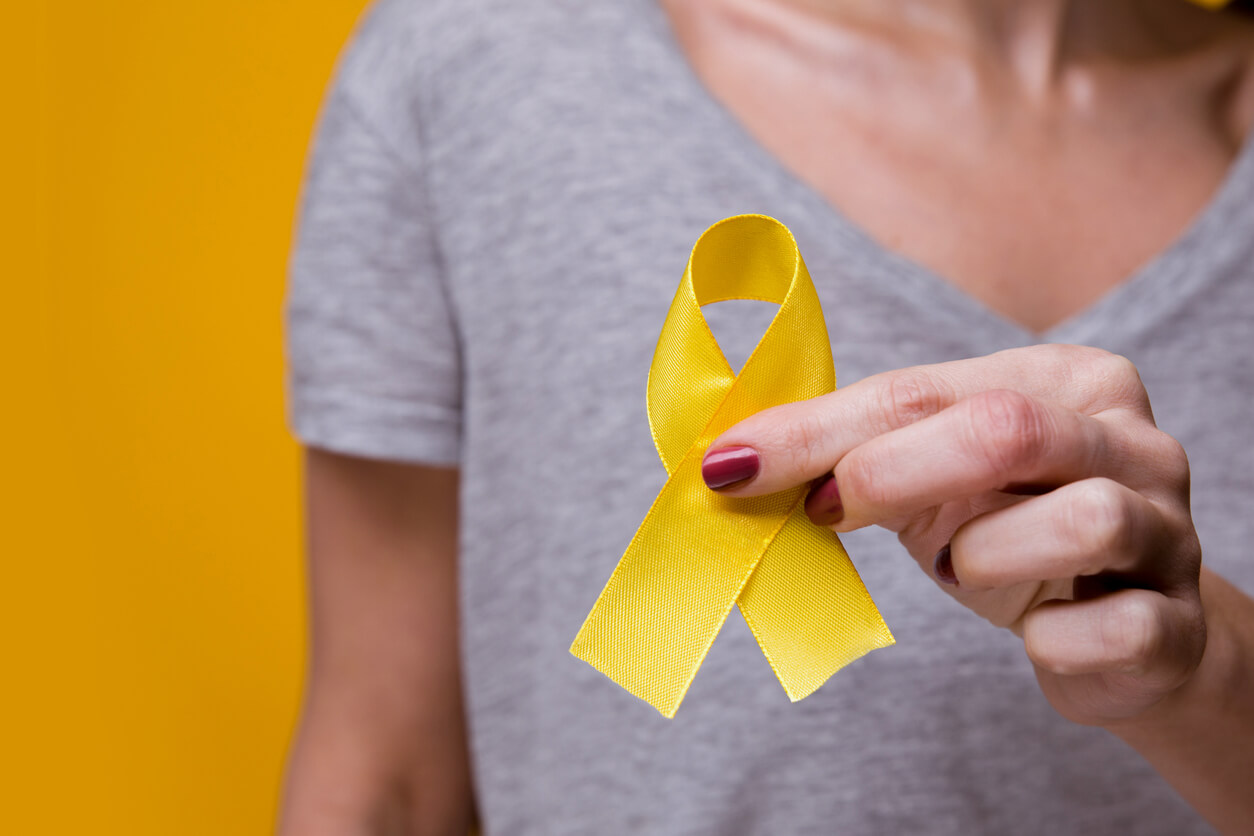
Endometriosis, a reproductive condition, is often misunderstood by both patients and healthcare providers. Endometriosis Awareness Month, which takes place every March, reminds women about the importance of being educated about the condition, while also providing a springboard for them to take control of their reproductive health throughout the year.
Diagnosing Endometriosis
Endometriosis is when uterine tissue grows outside of the uterus. It can sometimes be difficult to detect and diagnose. While some women may experience intense symptoms, others will experience close to nothing and may not even realize that they have it. On top of that, the intensity of symptoms isn’t necessarily indicative of the condition’s severity.
The symptoms of endometriosis also frequently resemble other conditions, such as irritable bowel syndrome (IBS), pelvic inflammatory disease (PID), or even severe premenstrual syndrome (PMS), making it easy for a doctor to misdiagnose.
Know the Symptoms
The most common symptoms that women with endometriosis experience are:
- Excessive pain during menstruation
- Pelvic pain in between periods
- Pelvic pain during sex
- Painful urination and bowel movements
- Heavy blood flow during menstruation
- Feeling nauseous or vomiting during menstruation
- Lower back pain
If you’re experiencing any of these symptoms, be sure to talk to your gynecologist during your next well-woman exam.
Know Your Risk Level
What about if you’re not experiencing any symptoms at all? Do you still have to worry about endometriosis? The short answer is yes, although some women are more at risk than others. Some common characteristics that increase your chances of developing endometriosis include:
- Someone in your family has it – women who are related to someone with endometriosis are seven to 10 times more likely to develop the condition themselves
- Having menstruation cycles that are less than 27 days apart
- Your first period started before the age of 11
- You have been diagnosed with infertility
- Your periods are typically longer than seven days
- You have excessively heavy blood flow during your period
- Having certain medical conditions, such as hormonal imbalances with increased estrogen, reproductive organs with structural abnormalities, and uterine fibroids or polyps
If any of these risks apply to you, it’s definitely worth talking to your gynecologist about your chances of developing endometriosis, even if you’re not experiencing any serious symptoms.
Why It Matters
In addition to sometimes causing life-altering pain, chronic endometriosis can also sometimes lead to infertility. It’s estimated that 30-50% of women with endometriosis will experience infertility. However, although endometriosis makes it more difficult for women, it doesn’t mean that pregnancy will be impossible. For example, with the help of in vitro fertilization (IVF), many women with endometriosis are able to conceive.
Learn More
Being aware and educated about endometriosis symptoms and symptoms can help you take charge of your reproductive health, get diagnosed if necessary, and plan ahead to maintain your fertility. If you have any questions about endometriosis and fertility, please contact the specialists at Chelsea Fertility NYC.